
Can a Manual Car Have Remote Start? A Comprehensive Guide
Yes‚ adding remote start to a manual transmission vehicle is possible‚ though it presents unique challenges regarding safety and proper installation procedures.
Understanding the Challenges
Remote starting a manual transmission car isn’t straightforward due to inherent safety mechanisms. The neutral safety switch prevents starting in gear‚ a crucial feature bypassed in many installations‚ demanding careful consideration. Clutch interlock systems further complicate matters‚ often requiring disabling‚ which necessitates ensuring manual starting remains safe.

A significant concern revolves around potential safety hazards; a bypassed safety switch could lead to unintended vehicle movement if not in neutral‚ as tragically demonstrated by a vehicle ending up in a lake. Successfully implementing remote start requires addressing these challenges‚ prioritizing safety through proper switch utilization‚ like the parking brake switch‚ and professional installation to avoid dangerous outcomes.
The Neutral Safety Switch
The neutral safety switch is a vital component in any vehicle‚ but particularly crucial in manuals considering remote start. Its primary function is to prevent the engine from starting unless the transmission is definitively in neutral or park. Bypassing this switch‚ a common step in adding remote start‚ introduces significant risk;

Engineers designed this switch to avoid accidental vehicle movement‚ preventing a car from lurching forward or backward during start-up. Disabling it requires extreme caution and a thorough understanding of the vehicle’s electrical system. It’s imperative to ensure the switch’s function remains intact during manual starting‚ reinforcing safety protocols even with remote capabilities added.
Clutch Interlock Systems
Many manual transmission vehicles incorporate a clutch interlock system‚ an additional safety measure preventing starting unless the clutch pedal is fully depressed. This system adds another layer of complexity when considering remote start installation. Some individuals attempt to permanently disable this interlock‚ believing it interferes with remote starting functionality‚ a practice strongly discouraged.
Maintaining the clutch interlock during manual operation is paramount. A properly installed remote start system should not require its permanent disabling. Instead‚ the system should integrate with‚ or bypass temporarily‚ the interlock only during remote start‚ ensuring it remains functional when starting the car conventionally. Prioritizing this safeguard minimizes the risk of unintended vehicle movement.
Potential Safety Hazards
Attempting remote start on a manual transmission vehicle without careful consideration introduces significant safety hazards. A primary concern is the possibility of the car starting in gear if the neutral safety switch is bypassed incorrectly or fails. Instances exist where vehicles have lurched forward unexpectedly‚ resulting in property damage and even submersion in water – a stark warning against improper installation.
Even with a bypassed neutral safety switch‚ the risk of unintended movement remains if the parking brake isn’t firmly engaged. Therefore‚ a reliable parking brake is crucial. Ignoring these precautions can lead to serious accidents. Professional installation‚ adhering to safety standards‚ is highly recommended to mitigate these potentially dangerous scenarios.
Methods for Adding Remote Start to a Manual Car
Several methods exist for equipping a manual car with remote start‚ each with varying degrees of complexity and safety. Aftermarket remote start kits specifically designed for manual transmissions are available‚ often including a “manual mode” function. Another approach involves bypassing the neutral safety switch‚ but this demands extreme caution and expertise to ensure proper functionality and prevent accidental engagement.
Utilizing the parking brake switch as a safety interlock is a common practice‚ ensuring the vehicle is secured before starting remotely. Ultimately‚ choosing between professional installation by a car audio shop and a DIY approach depends on technical skill and risk tolerance. Professional installers can ensure a safe and reliable setup.
Aftermarket Remote Start Kits
Aftermarket kits represent the most common and generally safest route to adding remote start to a manual transmission vehicle. These kits are specifically engineered to address the unique challenges posed by manual gearboxes‚ often incorporating a “manual mode” feature. This functionality requires the driver to engage the parking brake and ensure the car is in neutral before remote start activation.
Reputable manufacturers prioritize safety‚ including features that prevent starting in gear. However‚ it’s crucial to select a kit compatible with your vehicle’s make and model. Some installers may decline installation on convertibles or Jeeps due to added complexity. Careful research and professional installation are highly recommended.
Bypassing the Neutral Safety Switch (With Caution)
Bypassing the neutral safety switch – the component preventing starting in gear – is a risky practice and strongly discouraged unless performed with extreme caution and expertise. While it allows remote start functionality‚ it eliminates a critical safety feature. A failure in the system could result in the vehicle unexpectedly lurching forward when remotely started‚ potentially causing damage or injury.
If attempting this‚ ensuring the clutch interlock remains functional during manual starts is paramount. Utilizing the parking brake switch in conjunction with the bypass is also advisable‚ as it adds an extra layer of security. However‚ professional installation is strongly recommended to mitigate the inherent dangers.
Utilizing the Parking Brake Switch
Employing the parking brake switch as a safety interlock is a common and recommended practice when adding remote start to a manual transmission vehicle. This method leverages the existing switch to confirm the vehicle is securely parked before initiating the remote start sequence. The system is designed to only allow starting if the parking brake is engaged‚ significantly reducing the risk of unintended movement.
Essentially‚ the remote start system is wired to require the parking brake switch to be activated. This provides a crucial safeguard‚ especially when bypassing or modifying the neutral safety switch. It’s a relatively straightforward addition‚ enhancing safety and providing peace of mind during remote operation.
Professional Installation vs. DIY
While DIY remote start kits for manual cars are available‚ professional installation is strongly advised due to the complexities and safety concerns involved. A qualified technician possesses the expertise to correctly bypass safety features – like the neutral safety switch – without compromising vehicle safety. They understand the intricacies of your specific vehicle’s electrical system.
DIY installations carry a higher risk of errors‚ potentially leading to system malfunctions or‚ more seriously‚ unintended vehicle movement. Professional installers often utilize kits with “manual mode” functionality‚ designed specifically for stick-shift cars. Though more expensive upfront‚ professional installation offers reliability‚ warranty support‚ and crucial peace of mind.
Safety Considerations & Best Practices
Remote starting a manual transmission car demands strict adherence to safety protocols. Always ensure the vehicle is firmly in neutral before initiating remote start; failure to do so could result in a sudden‚ uncontrolled lurch forward. Simultaneously‚ engage the parking brake – this is absolutely crucial as a secondary safety measure.
Avoid any possibility of gear engagement during the remote start sequence. Disabling the clutch interlock requires extreme caution‚ ensuring it remains functional during manual starts. Be aware of the potential for unintended vehicle movement‚ and never rely solely on the remote start system’s safety features. Prioritize a secure‚ level parking surface.
Always Ensure the Vehicle is in Neutral
Confirming the vehicle is in neutral is the single most critical safety step when utilizing remote start on a manual transmission car. A failure to do so creates a significant risk of unintended and potentially dangerous vehicle movement. The remote start system relies on bypassing the standard starting safeguards‚ making this verification paramount.
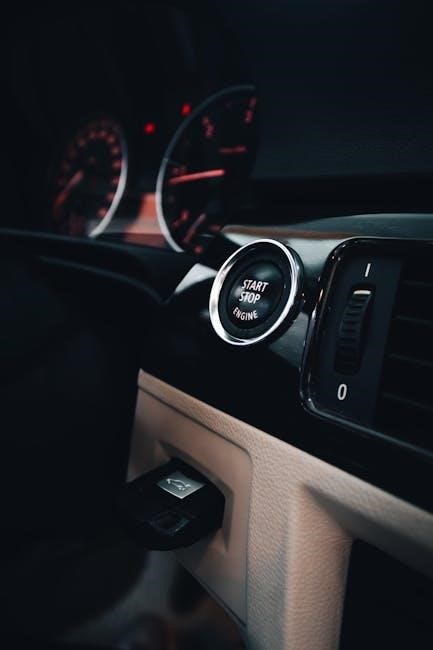
Double-check the gear position before activating the remote start. Even a slight incline can cause the car to roll or lurch forward if it’s left in gear. Remember‚ the system assumes neutral‚ and doesn’t independently verify it. Prioritize this check every single time‚ without exception‚ to prevent accidents.
Engaging the Parking Brake is Crucial
Alongside verifying neutral‚ firmly engaging the parking brake is absolutely essential for safe remote starting of a manual transmission vehicle. It provides a secondary layer of security‚ preventing any unintended rolling or movement even if the transmission isn’t perfectly aligned in neutral. Think of it as a redundant safety measure‚ mitigating risk during the remote start process.
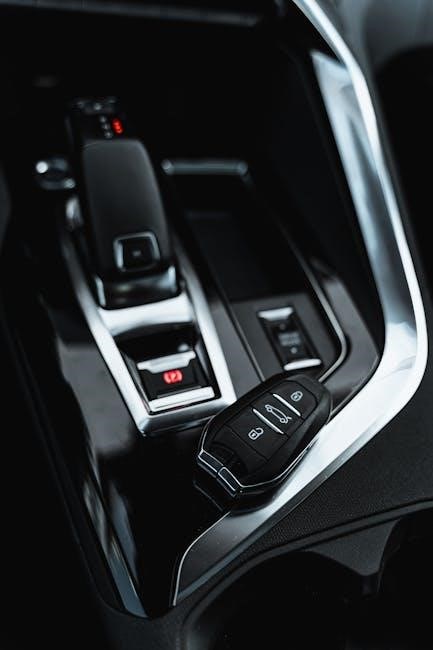
Many successful installations utilize the parking brake switch as part of the remote start circuit‚ ensuring the system only activates when the brake is engaged. Always confirm the parking brake is fully applied before initiating remote start‚ and never rely solely on the neutral position for safety.
Avoiding Gear Engagement During Remote Start
The most critical safety aspect of remote starting a manual car is absolutely ensuring the vehicle is not in gear. Stories abound of vehicles lurching forward unexpectedly when a remote start is attempted while in gear‚ leading to property damage and potential injury – even ending up in bodies of water! Always double-check‚ and even triple-check‚ that the gear selector is firmly in the neutral position.

Develop a consistent habit of placing the car in neutral and engaging the parking brake before shutting it off‚ streamlining the process for remote start readiness. Never assume; always verify. This simple precaution dramatically reduces the risk of an unintended and dangerous vehicle movement.
The Risk of Unintended Vehicle Movement
A significant concern with remote starting a manual transmission vehicle is the potential for unintended movement. If the car isn’t reliably in neutral‚ or the parking brake isn’t firmly engaged‚ the engine starting could cause the vehicle to lurch forward or backward. This risk is heightened if the neutral safety switch is bypassed or malfunctioning‚ removing a crucial safety barrier.
Even a slight incline can exacerbate the problem‚ leading to a runaway vehicle. The consequences range from minor collisions to serious accidents. Prioritizing safety features and diligent pre-start checks are paramount to mitigate this inherent risk. Always remember‚ a remote start system is only as safe as its setup and your adherence to proper procedures.
Specific Remote Start System Features
Modern aftermarket remote start kits designed for manual vehicles often include a “manual mode” functionality‚ specifically recognizing the need for a neutral safety requirement. These systems typically require a sequence – parking brake engaged‚ vehicle in neutral – before activation. Smartphone integration is also common‚ allowing control and monitoring via a mobile app.
Some advanced kits even offer push-to-start compatibility‚ seamlessly integrating with existing vehicle systems. However‚ compatibility varies‚ and professional installation is often recommended. These features enhance convenience and security‚ but understanding the system’s specific requirements is crucial for safe and reliable operation.
Manual Mode Functionality in Kits
Dedicated “manual mode” within remote start kits is essential for vehicles with stick shifts‚ acknowledging the absence of a Park position. This mode typically requires a specific sequence – ensuring the parking brake is firmly engaged and the gear selector is definitively in neutral – before the remote start can activate. The system verifies these conditions via the parking brake switch and neutral safety switch (or a bypassed equivalent).
This functionality prevents unintended vehicle movement during remote start. Kits with manual mode are designed to prioritize safety‚ preventing starting if the necessary preconditions aren’t met. Proper configuration and testing of this mode are vital for reliable and secure operation.
Smartphone Control & Integration
Modern remote start systems increasingly offer smartphone control‚ extending functionality beyond the traditional key fob. These systems utilize a mobile app‚ connecting to the vehicle via Bluetooth or cellular networks‚ enabling remote start‚ door lock/unlock‚ and vehicle status monitoring from anywhere with a signal.
For manual transmission cars‚ smartphone integration often mirrors the fob’s manual mode requirements – confirming neutral gear and engaged parking brake before activation. Advanced features may include geofencing‚ scheduled starts‚ and user access management. Integration can enhance convenience and security‚ but relies on a stable network connection and proper app configuration.
Push-to-Start Compatibility
While traditionally associated with automatic transmissions‚ push-to-start systems can be integrated with manual transmission remote start setups‚ though it adds complexity. Aftermarket kits designed for push-to-start vehicles often require additional modules or interfaces to work correctly with a manual gearbox.
The system must accurately verify the vehicle is in neutral and the parking brake is engaged before allowing remote start‚ even with the push-to-start feature. Installation typically involves tapping into the existing ignition wiring and utilizing the factory push-to-start button for activation. Professional installation is highly recommended to ensure proper functionality and safety.
Vehicle-Specific Considerations
Installation complexities vary significantly depending on the vehicle model. Convertibles and Jeeps often pose greater challenges due to security systems and limited space for component mounting‚ with some installers declining these jobs. For the 2024 Toyota Tacoma (4th Gen)‚ a specific procedure involving ensuring the vehicle is in neutral‚ applying the parking brake‚ and a fob button press is common.
Older vehicles may require more extensive wiring and potentially custom solutions‚ while newer models often integrate more seamlessly with aftermarket kits. Always verify kit compatibility with your specific year‚ make‚ and model before purchasing. Vehicle-specific forums can provide valuable insights from owners who have successfully completed similar installations.
Convertibles and Jeeps – Installation Challenges
Installing remote start in convertibles and Jeeps presents unique hurdles. Security systems are often more complex‚ requiring careful bypassing to avoid triggering alarms during remote activation. Limited interior space makes finding suitable mounting locations for the remote start module and wiring harness difficult.
Furthermore‚ the potential for unauthorized access with the top down (convertibles) or soft top (Jeeps) raises security concerns. Many professional installers are hesitant to take on these projects due to the increased risk of complications and potential liability. Custom fabrication and extensive wiring modifications are frequently necessary‚ increasing both cost and installation time.
Tacoma (4th Gen) Remote Start Setup
For the 4th Generation Toyota Tacoma with a manual transmission‚ a specific procedure is required for successful remote start functionality. The process involves ensuring the vehicle is firmly placed in neutral‚ with the parking brake securely engaged. This is a critical safety step to prevent unintended movement.
Owners report that after consistently following this sequence – neutral‚ parking brake‚ then fob button press – the system becomes reliable. However‚ it does add approximately 20-30 seconds to the vehicle shutdown routine. This slight delay is necessary for the system to recognize the correct conditions before enabling remote start.
Older Vehicles vs. Newer Models
The complexity of adding remote start to a manual car differs significantly between older and newer models. Older vehicles generally lack the necessary electronic infrastructure‚ requiring more extensive wiring and potentially more complex bypass solutions for safety interlocks. Newer cars‚ while potentially easier due to existing CAN-bus systems‚ still demand careful integration to avoid compromising factory safety features.
Modern vehicles often have more sophisticated security systems that can interfere with aftermarket installations. Conversely‚ older cars may necessitate completely custom solutions‚ increasing the risk of improper functionality. Professional installation is highly recommended for both‚ but especially crucial for older models lacking modern safety protocols.
Legal and Insurance Implications
Modifying a vehicle with remote start‚ particularly bypassing safety features in a manual transmission car‚ can have legal ramifications. Local regulations regarding vehicle modifications vary‚ and some areas may prohibit altering safety systems. It’s crucial to verify compliance with local laws before installation.
Insurance companies may view aftermarket remote start systems as a modification‚ potentially affecting your policy. Failure to disclose the modification could lead to claim denial in the event of an incident. Some insurers might increase premiums or even refuse coverage if the system is deemed to increase risk. Always inform your insurance provider about any modifications made to your vehicle.
Local Regulations Regarding Remote Start
Vehicle modification laws differ significantly by state and even municipality. Some jurisdictions have strict regulations concerning alterations to factory-installed safety features‚ like neutral safety switches crucial for manual transmission remote starts. It’s vital to research local ordinances before undertaking any installation.
Certain areas may require inspections to ensure the remote start system doesn’t compromise vehicle safety. Ignoring these regulations could result in fines or the requirement to revert the vehicle to its original state. Always check with your local Department of Motor Vehicles (DMV) or equivalent agency for specific rules. Compliance avoids legal issues and ensures responsible vehicle operation.
Potential Insurance Complications
Modifying a vehicle with a remote start‚ particularly on a manual transmission car‚ can introduce complications with your auto insurance policy. Insurance providers may view the modification as increasing the risk of theft or accidental operation‚ potentially leading to higher premiums or even policy cancellation.
It’s crucial to inform your insurance company about the remote start installation. Failure to disclose modifications could invalidate your coverage in the event of a claim. Some insurers may require proof of professional installation and adherence to safety standards. Be prepared to provide documentation and potentially undergo a vehicle inspection to maintain adequate coverage.
Troubleshooting Common Issues
Several issues can arise after installing a remote start on a manual vehicle. A common problem is the system simply not working; check the fob battery‚ wiring connections‚ and ensure the vehicle is truly in neutral with the parking brake engaged. If the car doesn’t recognize the neutral position‚ verify the neutral safety switch functionality or bypass setup.
System malfunctions often display error codes – consult the kit’s manual for decoding. Unexpected vehicle movement indicates a serious safety issue; immediately discontinue use and re-evaluate the installation. Remember‚ a properly installed system requires neutral and the parking brake to be engaged.
Remote Start Not Working
When your remote start fails‚ begin with the simplest checks. First‚ verify the remote fob has a fresh battery and is properly communicating with the system. Next‚ meticulously inspect all wiring connections – a loose wire can disrupt the entire process. Crucially‚ confirm the vehicle is definitively in neutral; the system won’t activate otherwise.

Ensure the parking brake is firmly engaged‚ as this is a vital safety interlock. If these basic steps don’t resolve the issue‚ consult the remote start kit’s manual for specific troubleshooting steps and error code interpretations. A professional diagnosis might be necessary for complex problems.
Vehicle Not Recognizing Neutral Position
If the remote start system fails to recognize the vehicle is in neutral‚ the neutral safety switch is the prime suspect. This switch‚ essential for preventing accidental starts in gear‚ might be faulty or misadjusted. Inspect its wiring and connector for corrosion or damage. A multimeter can verify the switch’s functionality – it should indicate a closed circuit when in neutral.
Sometimes‚ a slightly worn or imprecise clutch pedal position can interfere with the signal. Ensure the gear shifter is fully and correctly engaged in neutral. If problems persist‚ professional diagnosis and potential switch replacement are recommended to ensure safe operation.

System Malfunctions and Error Codes
Remote start systems‚ even professionally installed ones‚ can experience malfunctions. Error codes displayed on the system’s interface (or via a smartphone app) offer valuable diagnostic clues. Common issues include wiring problems‚ a failing relay‚ or a conflict with the vehicle’s existing electronics. Consult the remote start kit’s manual for a detailed explanation of each error code and suggested troubleshooting steps.

Intermittent issues can be particularly frustrating; check all connections thoroughly. If the system repeatedly fails or displays unfamiliar codes‚ seeking assistance from a qualified installer is crucial to avoid damaging the vehicle’s electrical system.
Cost Analysis
The cost of adding remote start to a manual car varies significantly. Aftermarket kits range from approximately $100 to $400‚ depending on features like smartphone integration and range. Basic kits are cheaper‚ but may lack advanced safety features or manual transmission compatibility. Professional installation typically adds $150 to $500 to the total cost‚ depending on the vehicle’s complexity and the installer’s labor rates.
Long-term maintenance costs are generally low‚ primarily involving occasional battery replacement for the remote fob. However‚ addressing any system malfunctions or wiring issues could incur additional expenses. Consider these factors when budgeting for a remote start system.
Average Cost of Aftermarket Kits
The price range for aftermarket remote start kits designed‚ or adaptable‚ for manual transmission vehicles typically falls between $100 and $400. Simpler kits‚ lacking smartphone connectivity or extended range‚ generally start around $100-$200. Kits with advanced features‚ including manual mode functionality specifically for stick shifts‚ can reach $300-$400.
It’s crucial to verify compatibility with your specific vehicle model before purchasing. Some kits require additional components‚ like a bypass module‚ increasing the overall cost. Prioritize kits from reputable brands known for safety and reliability‚ even if they are slightly more expensive upfront.
Professional Installation Fees
Expect professional installation costs to significantly add to the overall expense. Labor charges for installing a remote start system in a manual car typically range from $150 to $500‚ depending on the complexity of the vehicle and the installer’s rates. Manual transmission installations are more labor-intensive due to the need to bypass or integrate with the clutch interlock and neutral safety switch.
Car audio shops specializing in aftermarket accessories are the best option. Obtain quotes from multiple installers‚ clarifying what’s included (e.g.‚ bypass module‚ wiring‚ testing). Some installers may decline to work on convertibles or Jeeps due to increased difficulty.
Long-Term Maintenance Costs
While remote start systems are generally reliable‚ anticipate potential long-term maintenance. The system’s lifespan is typically 5-10 years‚ after which components may fail. Common issues include remote fob battery replacements (around $20-$50)‚ and potential relay or control module failures requiring professional diagnosis and repair‚ costing $75-$200 per incident.
Improper installation can lead to increased maintenance needs. Regularly check the system’s functionality and address any warning lights promptly. Consider a system with smartphone integration for remote diagnostics. Budget approximately $50-$100 annually for potential upkeep and repairs to ensure continued operation.